Jewelry & Diamond Appraisals in South Florida
Understand what you own. Connect with a specialist for a written jewelry or gemstone valuation.
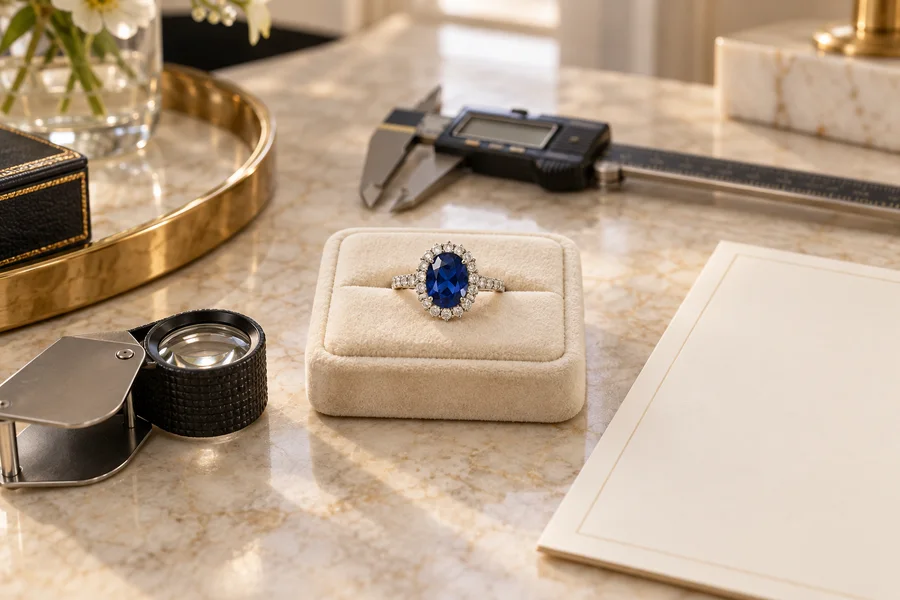
Understand what you own. Connect with a specialist for a written jewelry or gemstone valuation.
Whether it's for insurance, an estate, or simply peace of mind, a proper appraisal tells you what you own and what it's worth. South Florida's GIA- and HRD-trained gemologists grade diamonds and colored stones; a watchmaker authenticates watches; both issue written valuations. You'll find them in Miami's Seybold Building and the Aventura and Boca Raton exchanges. Bizak & Co. connects you with a trusted appraiser — for insurance replacement value, fair-market resale, or estate documentation.
Across all five South Florida jewelry hubs · contact unlocks when a shop joins
 Unclaimed
 Unclaimed
 Unclaimed
 Unclaimed
 Unclaimed
 Unclaimed
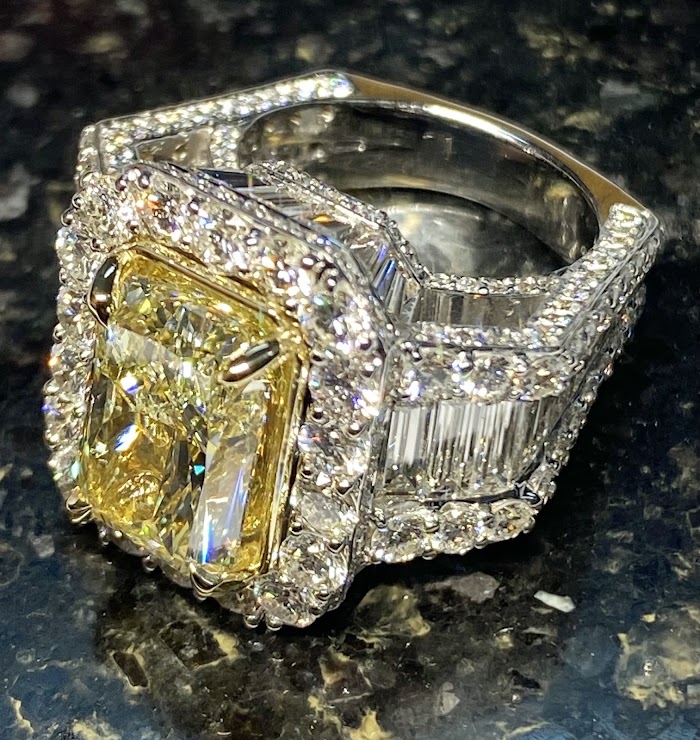 Unclaimed
People ask for "an appraisal" meaning three different things: what a piece would cost to replace, what it would sell for today, or simply what it is. Those are three different numbers, and a usable appraisal says out loud which one it means. A document that gives a value without naming the kind of value is not something an insurer, an attorney or an executor can work with.
A written appraisal should describe the piece as it exists today — metal and purity taken from the hallmark or tested, measurements and weights, stones identified and graded, treatments disclosed where they are detectable, and honest condition notes on worn prongs or a thinned shank. It ends with the type of value, the market it is based on, an effective date, and the name and signature of the person who examined it. If an appraisal you already hold is missing the type of value or the date, check with your insurer before you need to make a claim rather than after.
This is the confusion that sends people back and forth across town. A laboratory report from GIA, HRD or a similar lab identifies and grades a stone, usually unmounted and on its own — and a laboratory never states a value. An appraisal covers the whole piece and does state a value. Bring the report if you have one; it makes the appraisal faster and more precise. But the report is not the document your insurer is asking for, and no honest appraiser can produce a lab report for a piece that never had one.
| Laboratory report | Written appraisal | |
|---|---|---|
| Covers | One stone, usually unmounted | The whole piece: metal, stones, mounting, condition |
| States | Identity and grades, never a value | A value, and which kind of value it is |
| Wanted by | The trade, and buyers comparing stones | Insurers, courts, executors, anyone dividing an estate |
| Ages | Grades do not change | Carries an effective date; gets refreshed |
Appraisal work in the United States is normally a flat fee per piece, quoted before anything begins, and commonly falls somewhere around $65 to $200 depending on complexity; watches and large estates run higher. Ask for the fee in writing first — the number should never depend on what the piece turns out to be worth, because an appraiser paid a percentage of the value has a reason to inflate it.
There are also times to be told no. Plain gold you intend to sell by weight is settled by a scale and the day's price, not by a document. Costume and gold-plated pieces are usually worth less than the fee. A jeweler who tells you that before taking your money is the one to go back to.
Expect a flat fee per piece, quoted before any work starts — commonly in the region of $65 to $200 depending on complexity, with watches and large estates higher. Be wary of anyone charging a percentage of the appraised value; that gives the appraiser a reason to inflate the number.
A laboratory report identifies and grades a stone but never states a value. An appraisal covers the whole piece and does state a value. Insurers want the appraisal. If you have a lab report, bring it — it makes the appraisal quicker and more precise, but it does not replace it.
A single straightforward piece is usually examined and documented within a day or two once it is in front of the appraiser. Complex pieces and larger estates take longer. Ask for a timeline at the same time as the fee.
Every few years, and sooner after a sharp move in metal or gem prices. An insurance appraisal states replacement value on an effective date, so an old one can badly understate what it would cost to replace the piece today — which is discovered at the worst possible moment, when a claim is made.
They can, and many do both. But a valuation from someone who wants to buy the piece is not independent, so ask up front whether they buy, and get a second opinion before you sell anything significant.
Photographs give a useful preliminary read and are the right place to start. A written appraisal cannot be done from them, because purity, weights, clarity and treatments have to be measured on the piece itself.
Unlock your profile, show your contact, add your own photos, and start receiving customer introductions from Bizak & Co.
Claim your listing