Diamonds in Miami, Aventura & Boca Raton
Find the stone that fits your vision. Explore diamond specialists and compare your options.
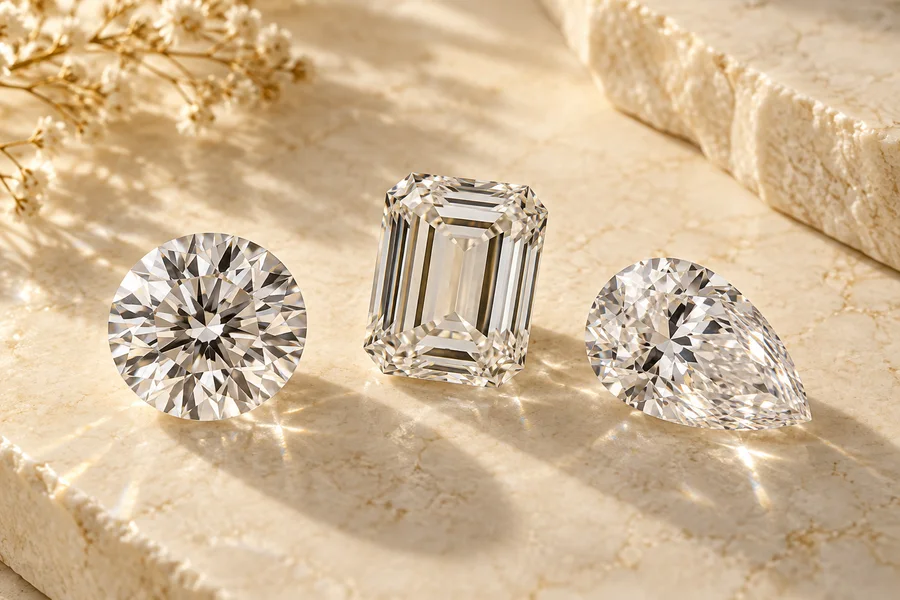
Find the stone that fits your vision. Explore diamond specialists and compare your options.
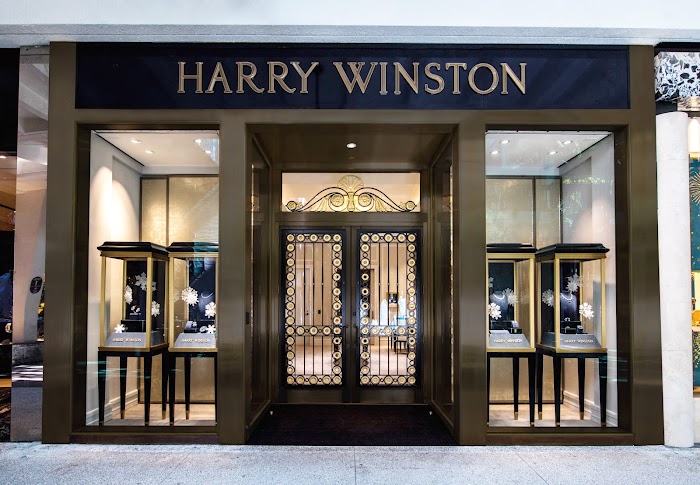
Buying a diamond — loose or set, for an engagement ring or an investment — is easier when you're standing in front of dozens of dealers. Miami's Seybold Building is one of the largest diamond centers in the United States; the Aventura and Boca Raton exchanges bring together certified-diamond specialists and wholesalers; and for high jewelry, Graff, Harry Winston and Tiffany & Co. sit in Bal Harbour Shops and the Design District. Bizak & Co. connects you with the right diamond dealer in South Florida.
Across all five South Florida jewelry hubs · contact unlocks when a shop joins
 Unclaimed
 Unclaimed
 Unclaimed
 Unclaimed
 Unclaimed
 Unclaimed
 Unclaimed
 Unclaimed
 Unclaimed
 UnclaimedUnclaimed
 UnclaimedUnclaimedUnclaimedUnclaimed
 Unclaimed
 Unclaimed
 UnclaimedUnclaimed
 Unclaimed
 Unclaimed
 Unclaimed
 Unclaimed
 Unclaimed
 Unclaimed
 Unclaimed
 Unclaimed
 Unclaimed
 Unclaimed
 Unclaimed
 Unclaimed
 Unclaimed
 UnclaimedUnclaimed
 UnclaimedUnclaimed
 UnclaimedUnclaimed
 UnclaimedUnclaimed
 Unclaimed
 Unclaimed
 Unclaimed
 Unclaimed
 Unclaimed
 Unclaimed
 Unclaimed
 Unclaimed
 Unclaimed
 Unclaimed
 Unclaimed
 UnclaimedUnclaimed
 UnclaimedUnclaimedUnclaimedUnclaimed
 Unclaimed
 UnclaimedUnclaimedUnclaimed
 Unclaimed
 Unclaimed
 UnclaimedUnclaimed
 UnclaimedUnclaimed
 Unclaimed
 Unclaimed
 UnclaimedUnclaimed
 UnclaimedUnclaimedUnclaimed
 Unclaimed
 Unclaimed
 Unclaimed
 Unclaimed
 Unclaimed
 Unclaimed
 Unclaimed
 Unclaimed
 Unclaimed
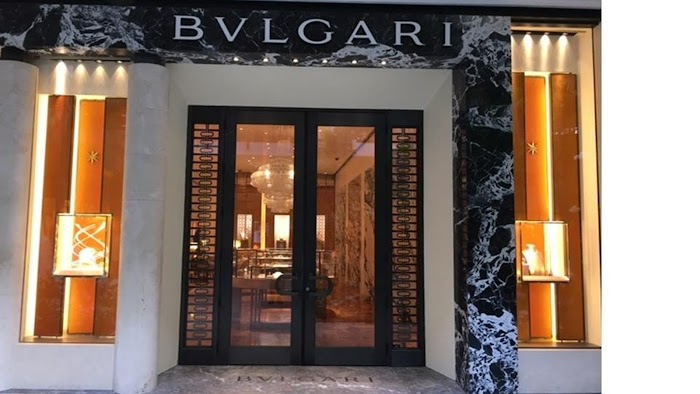 Unclaimed
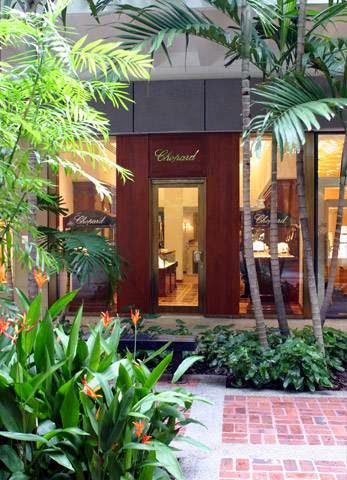 Unclaimed
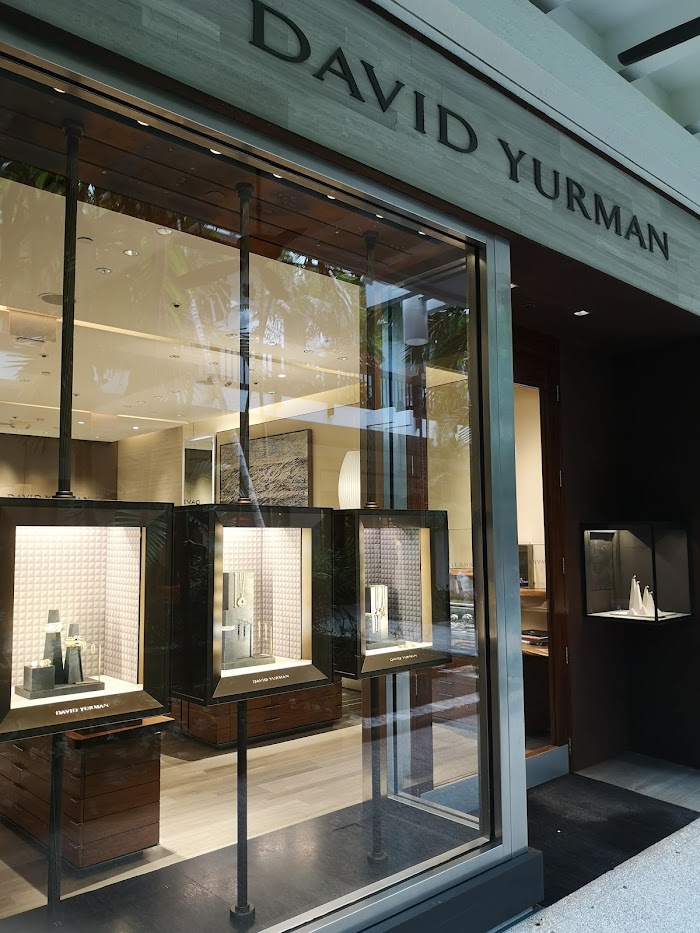 Unclaimed
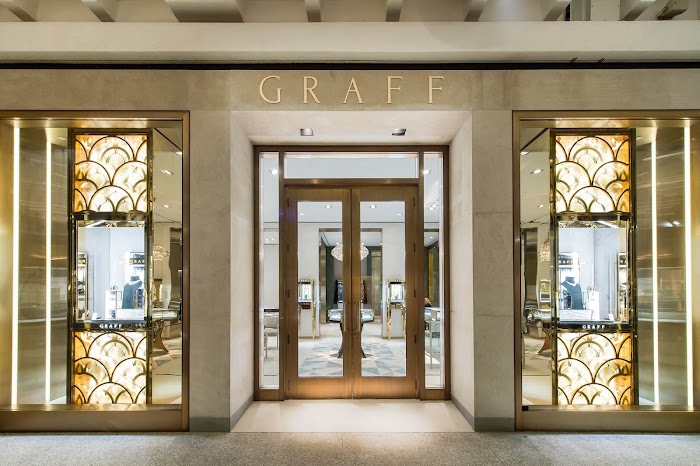 Unclaimed
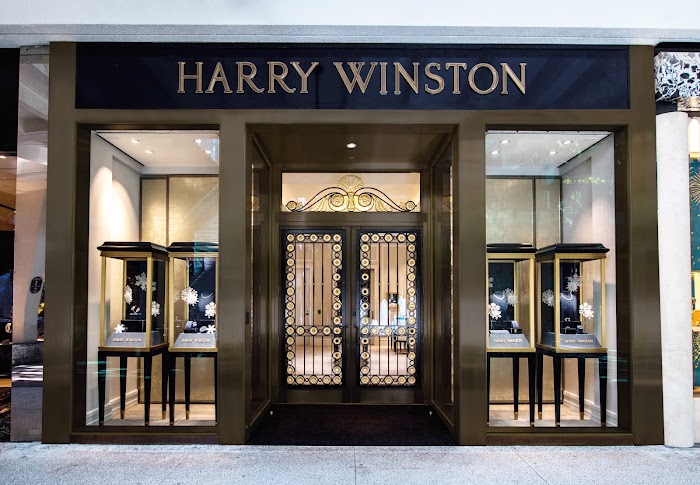 Unclaimed
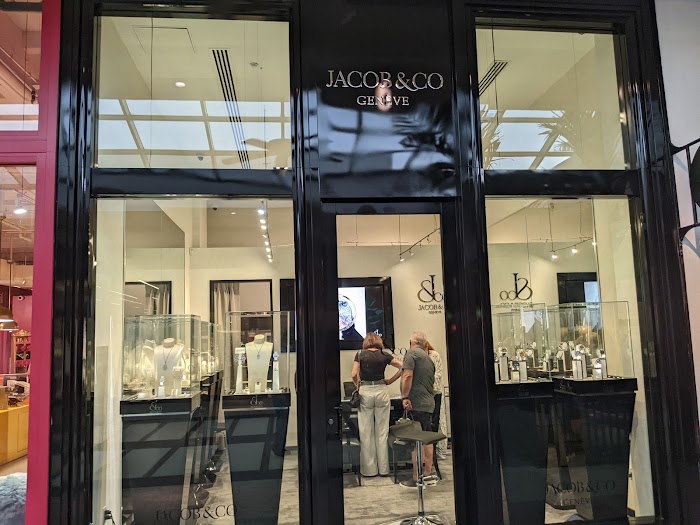 Unclaimed
 Unclaimed
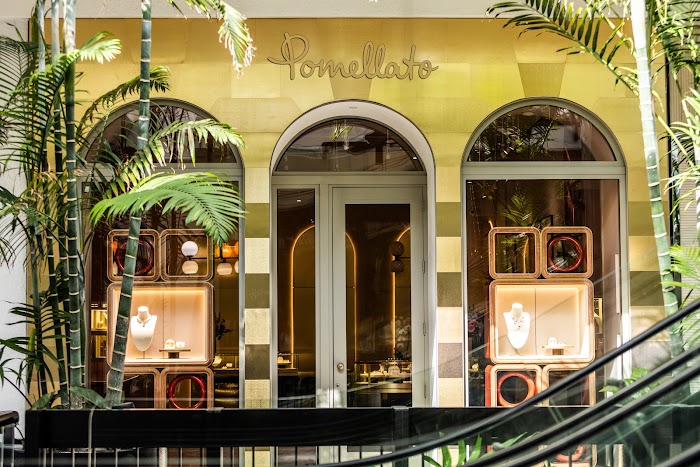 Unclaimed
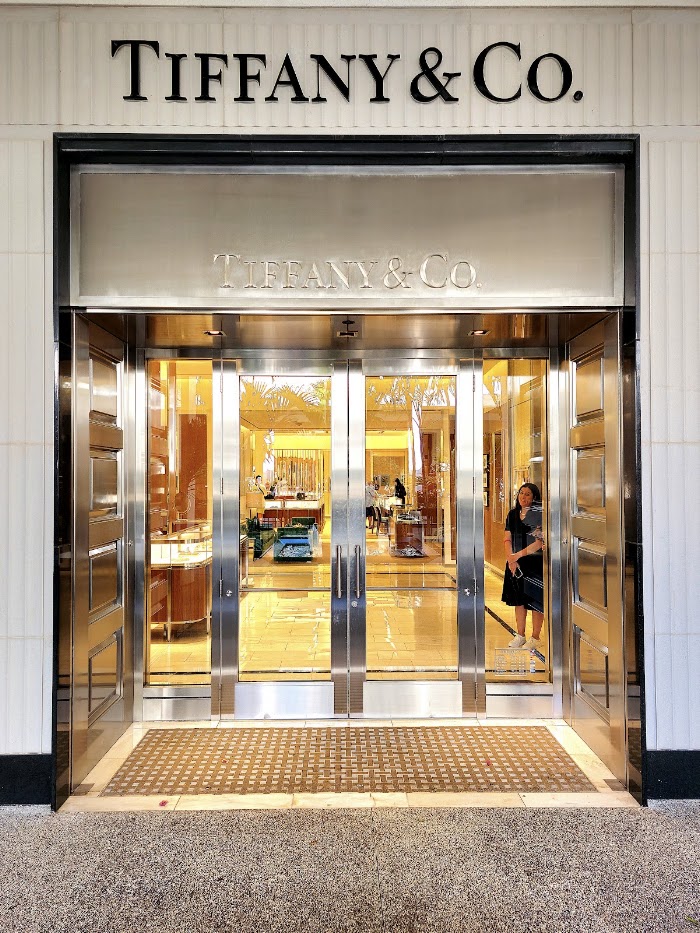 Unclaimed
 Unclaimed
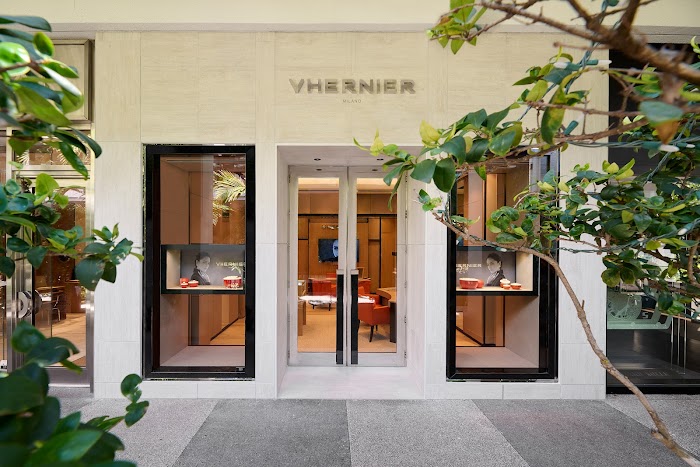 Unclaimed
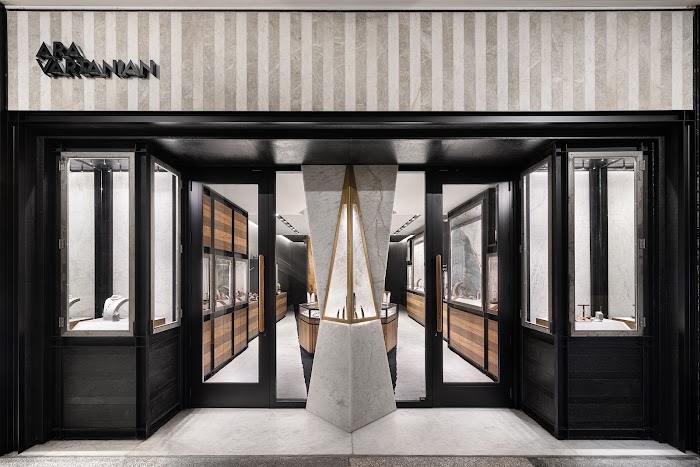 Unclaimed
 Unclaimed
Every counter in South Florida will hand you the same four words — cut, colour, clarity, carat — and let you assume they matter equally. They do not. Cut is what makes a diamond look alive, it is the only one the cutter controls, and a poorly cut stone looks dull at any grade. Carat is the one that moves price the fastest, and it jumps at the round numbers: a stone just under one carat can cost noticeably less than one just over, and nobody will ever see the difference on a hand.
Colour and clarity are where most buyers overpay. Once inclusions are invisible without magnification, paying for a higher clarity grade buys a better certificate rather than a better-looking stone. And colour reads differently depending on the metal: a warmer stone that looks tinted next to platinum can look perfectly white set in yellow gold.
For a new stone of any size, a report from a recognised laboratory is worth having, and the laboratory matters — grading standards are not identical between labs, so a colour or clarity grade from one is not automatically the same as the same letter from another. Compare stones with reports from the same lab, or have them looked at side by side.
Estate and antique diamonds are a different matter. Most have no report at all, because reports became routine long after those stones were cut, and their absence says nothing bad about the diamond. What matters there is that whoever is selling it examined it and will put a colour and clarity range in writing. Any diamond can be sent for grading after purchase if you want independent confirmation.
Cut, because it is what makes a stone look alive and a dull cut looks dull at every other grade. Carat moves the price fastest, especially across round numbers. Colour and clarity are where most buyers overpay: once inclusions are invisible without magnification, a higher clarity grade buys a better certificate rather than a better-looking diamond.
For a newly cut stone of any size, a report from a recognised laboratory is worth having, and it is worth comparing stones graded by the same lab, because standards differ. For estate diamonds, most have no report and never did; what matters instead is that the seller examined the stone and will state a colour and clarity range in writing.
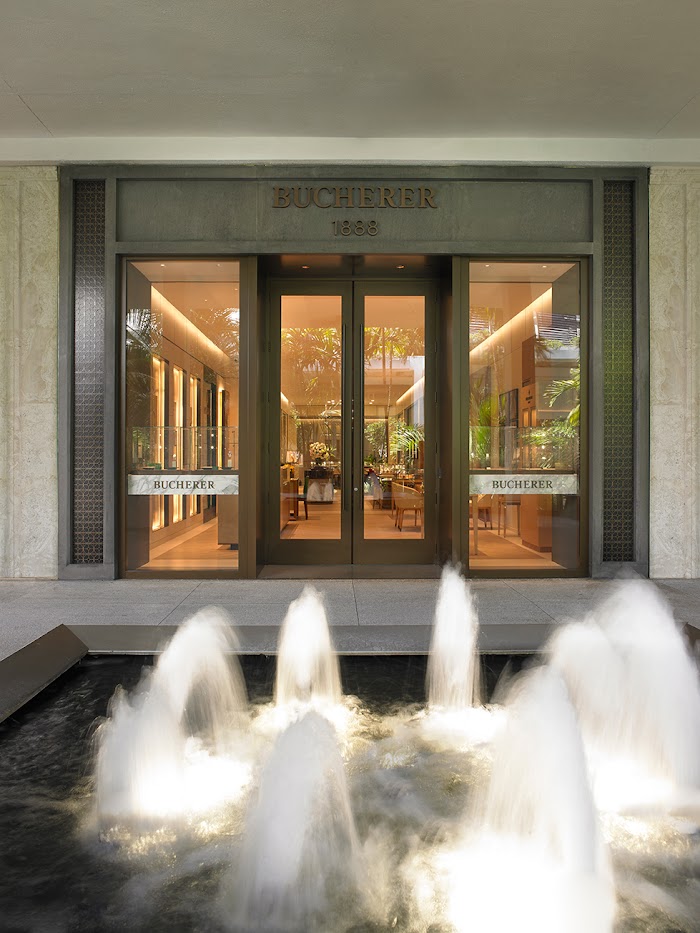
The exchanges are where the trade itself buys — the Seybold Building downtown holds the deepest concentration of diamond dealers in South Florida, with further exchanges in Aventura and Boca Raton. The maison boutiques at Bal Harbour Shops and in the Design District sell current collections at list price.
Chemically yes, it is the same material, and only a laboratory can tell the two apart reliably. The practical difference is price and resale: lab-grown costs far less to buy and holds far less value afterwards. Whichever you choose, the stone should be disclosed as natural or lab-grown in writing.
You can ask for the report number and verify it on the laboratory’s own website rather than from a printed copy, and you can ask what happens if an independent appraisal later disagrees with the description. Getting that answer before paying is the whole point of asking.
Usually noticeably cheaper, because prices step up at the round weights. A stone a fraction under the mark is essentially indistinguishable on a hand from one a fraction over, which makes it one of the few genuinely free savings in diamond buying.
Unlock your profile, show your contact, add your own photos, and start receiving customer introductions from Bizak & Co.
Claim your listing