Estate & Antique Jewelry in South Florida
Discover the story behind a piece. Find specialists in vintage jewelry, inherited collections and estate pieces.
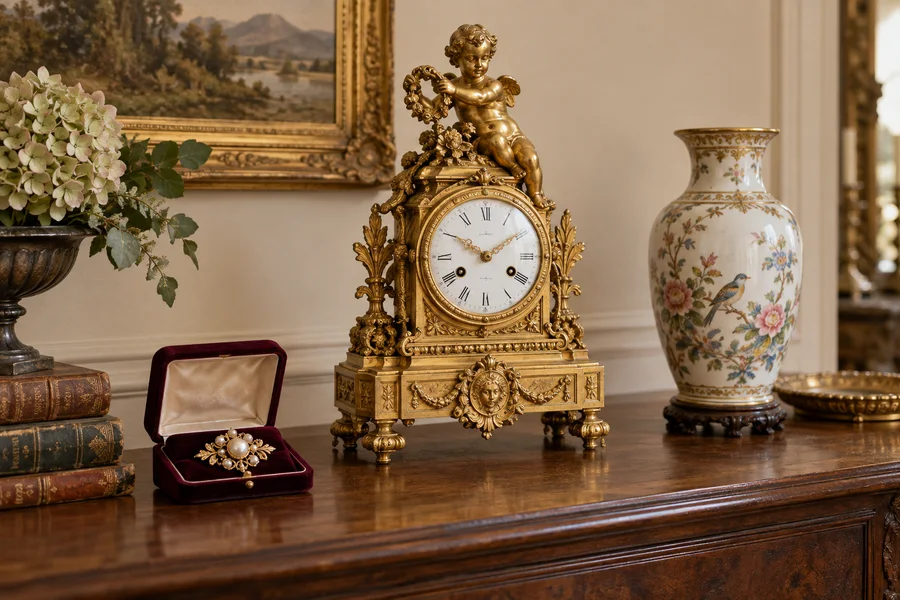
Discover the story behind a piece. Find specialists in vintage jewelry, inherited collections and estate pieces.
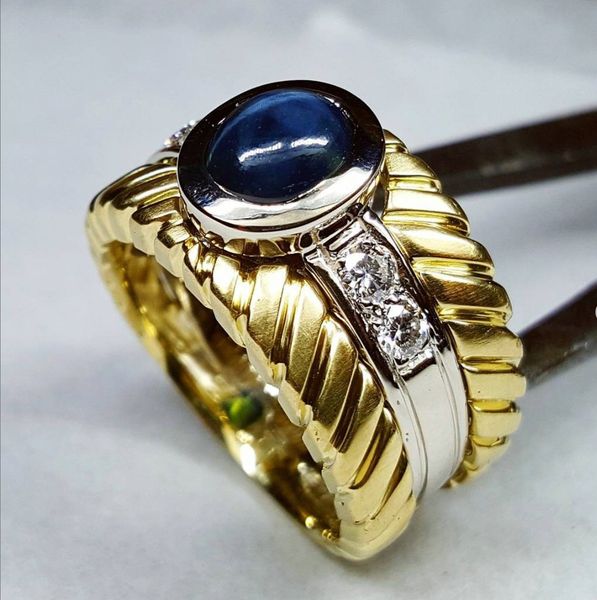
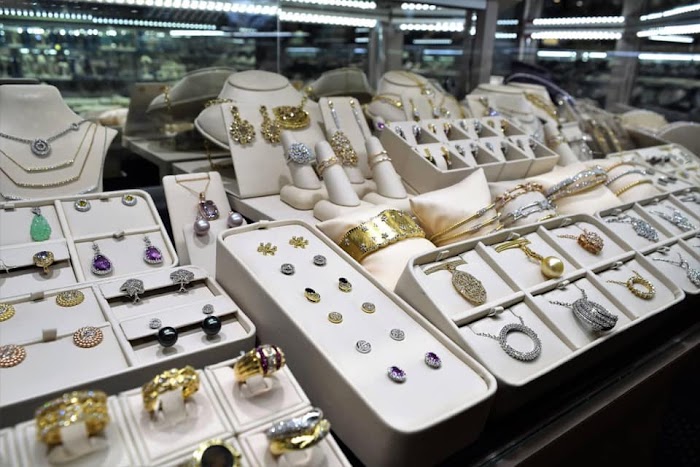
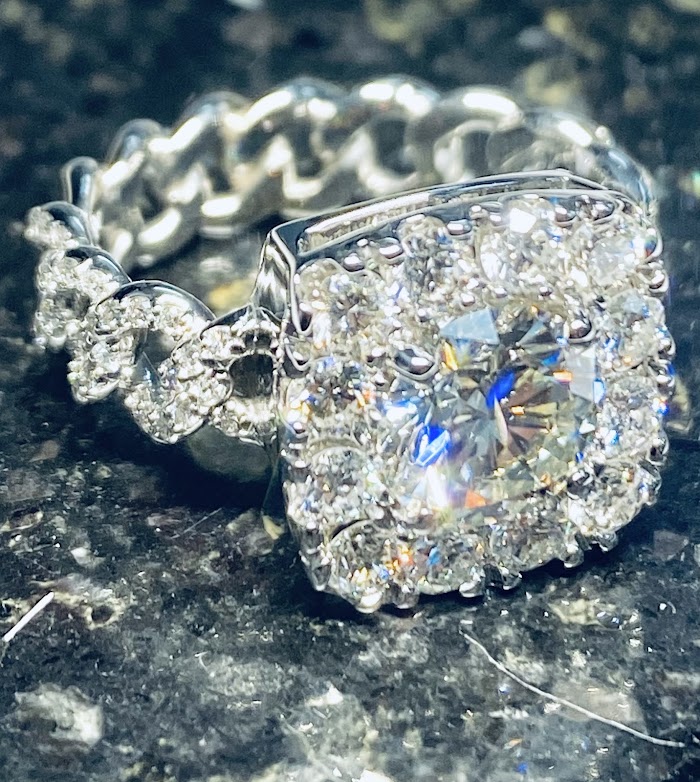
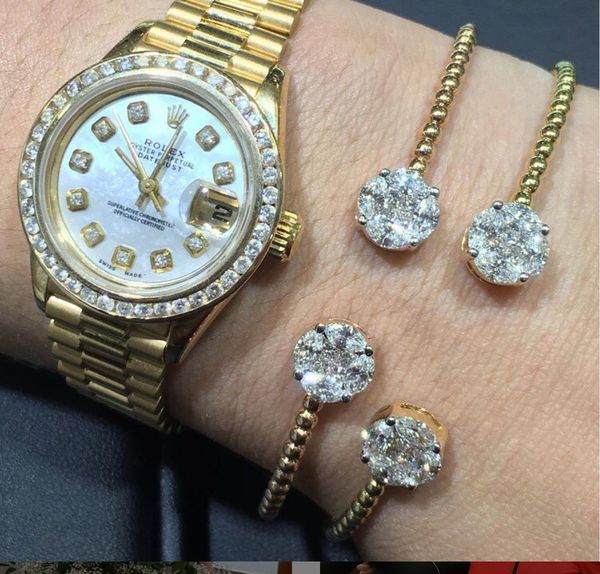
Estate and antique jewelry tells a story — and South Florida is full of specialists who buy, sell and value it. From signed period pieces to inherited collections, the Seybold Building and the Aventura and Boca Raton exchanges are home to estate buyers, antique dealers and gemologists who know the difference between scrap and treasure. Bizak & Co. connects you with an estate-jewelry specialist — to sell a collection, find a vintage piece, or learn what a family heirloom is really worth.
Across all five South Florida jewelry hubs · contact unlocks when a shop joins
 Unclaimed
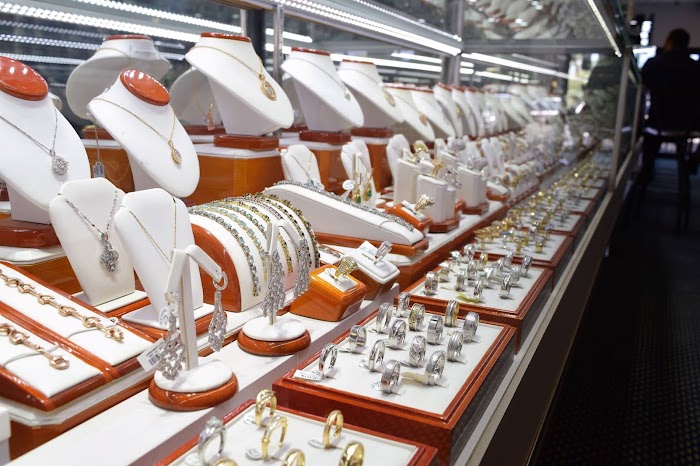 Unclaimed
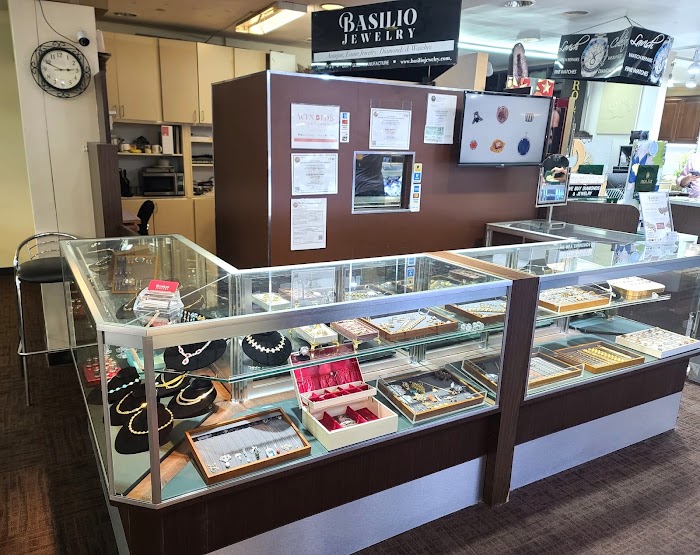 Unclaimed
 Unclaimed
 Unclaimed
 Unclaimed
 Unclaimed
 Unclaimed
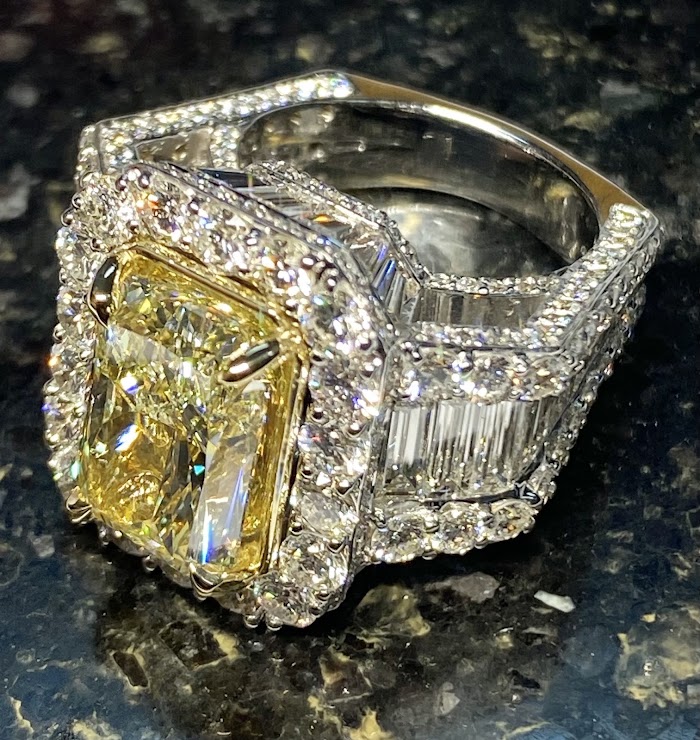 Unclaimed
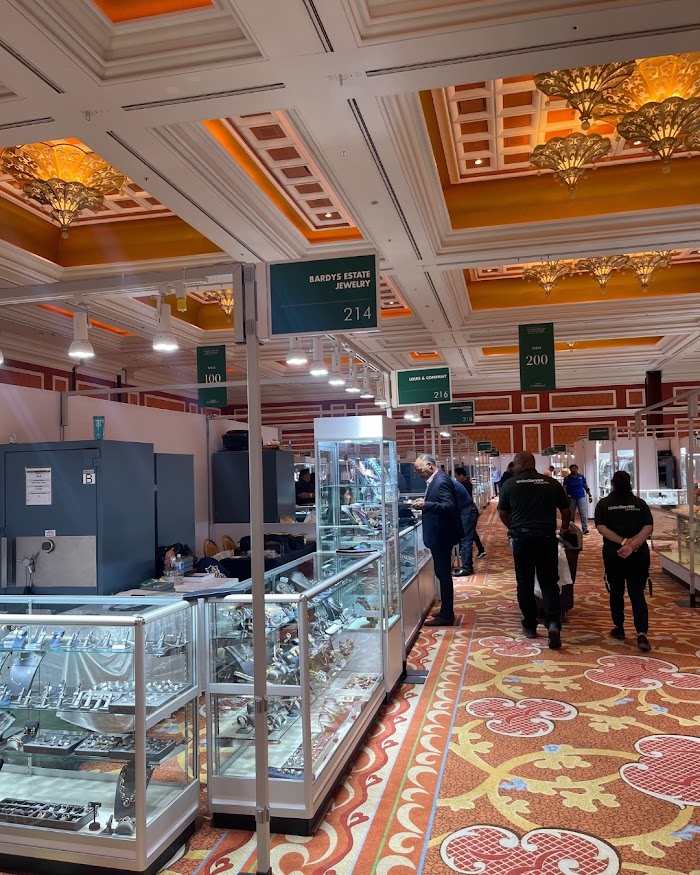 Unclaimed
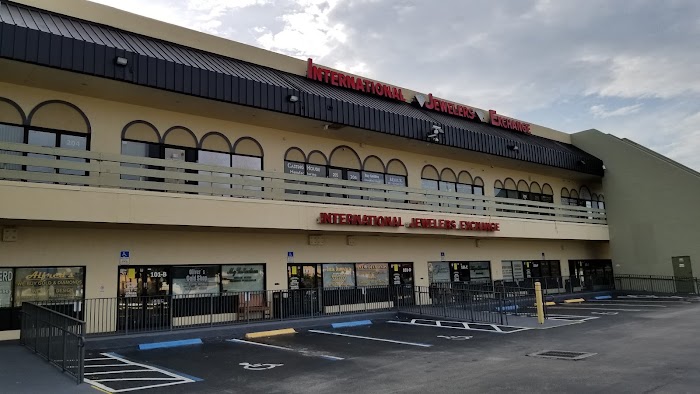 Unclaimed
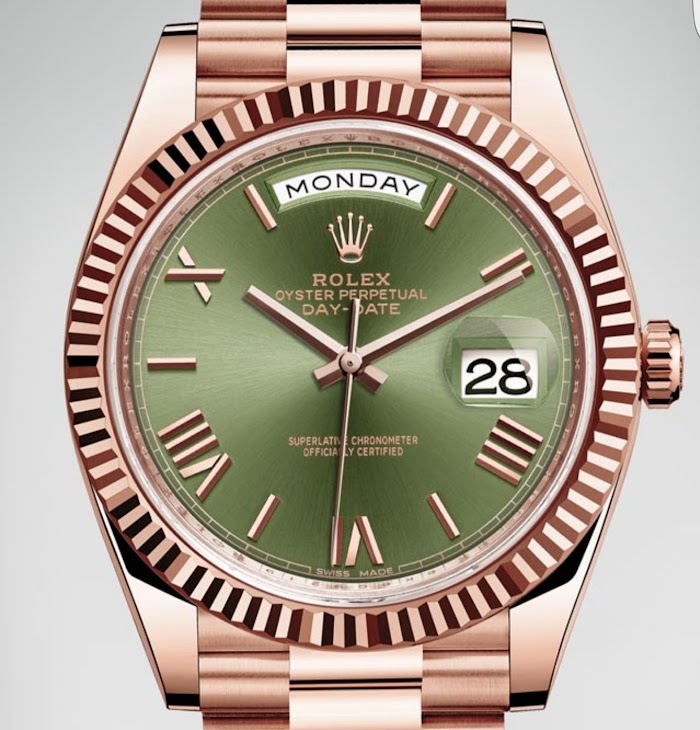 Unclaimed
 Unclaimed
 Unclaimed
 Unclaimed
 Unclaimed
 Unclaimed
It is the most misread word in the trade. Estate does not mean antique, it does not mean the owner died, and it does not mean damaged. It means the piece has had an owner before. A ring made in 2019 and sold on is estate. Vintage generally means a few decades old; antique conventionally means over a hundred years. All three are estate, and only the last two say anything about age.
That distinction matters because it is where the value comes from. The brand markup, the boutique and the packaging on an estate piece were all paid for once already, by somebody else. What is left in the price is the metal, the stones, the workmanship and the dealer's margin — which is why a comparable estate piece routinely costs a fraction of the same specification bought new.
The exchanges are where the trade itself buys. The Seybold Building downtown holds the largest concentration of estate and antique stock in the region, alongside diamond dealers and the watchmakers' benches; Aventura and Boca Raton have their own exchanges with dealers who buy estate daily. The maison boutiques of Bal Harbour Shops and the Design District sell current collections rather than estate, though several handle their own heritage pieces.
Prices at an exchange are usually negotiable, because there is no manufacturer's list price to defend. That is a genuine advantage of buying estate and it is worth using — a reasonable offer on a piece that has been in the case a while does considerably better than a low offer on something that has just arrived.
Estate simply means previously owned, at any age. Vintage generally means a few decades old. Antique conventionally means over a hundred years old. A ring made in 2019 and sold on is estate but neither vintage nor antique.
On like-for-like specification, yes, and the reason is structural rather than promotional: the brand, boutique and distribution parts of the price were paid once already by the first owner. What you pay for is the metal, the stones, the workmanship and the dealer’s margin.
Ask who examined it and what their training is, ask for metal purity from a hallmark or a test, ask for stone weights and a colour and clarity range in writing, and ask what happens if the piece is not as described. A dealer answers all four without hesitating.
Most estate diamonds have no laboratory report, and that is normal — reports became common long after these pieces were made. What should always come with a piece is a written description of what you are buying. A stone can be sent for grading after purchase if you want independent confirmation.
Usually. A plain band or a solitaire resizes easily; full eternity bands, channel settings and heavily set shanks have real limits, and some antique pieces are better left alone than reworked. Ask before you buy if size is a concern.
Usually yes, and estate is one of the few corners of jewelry where that is still true, because there is no manufacturer’s list price to defend. A reasonable offer on a piece that has been available a while does better than a low offer on something that has just arrived.
Unlock your profile, show your contact, add your own photos, and start receiving customer introductions from Bizak & Co.
Claim your listing